
TMJ Anatomy
Understanding the Structure of the Temporomandibular Joint
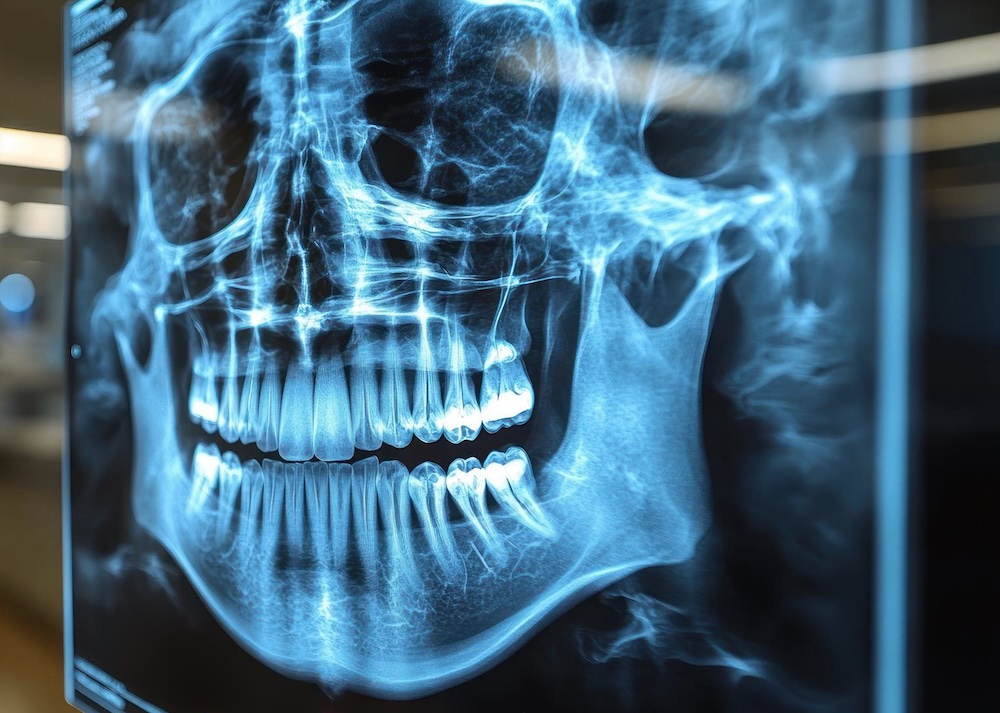
The temporomandibular joint (TMJ) is an extremely complex joint and is one of the most frequently used joints in your body. It's positioned just in front of each of your ears and it connects the lower jaw (mandible) to the temporal bone of the skull. It facilitates the movements that you need for talking, eating, yawning, swallowing amongst other everyday facial activities. Unlike many other joints, the TMJ must combine hinge movement with sliding motion and, at the same time, work in perfect symmetry on both sides of your face.
Understanding the structure of the joint reveals just how problems can happen and why the symptoms can be so widely varied.
How The TMJ is Constructed
The temporomandibular joint is made up of several important structures that must work together smoothly in order to maintain smooth function.
The Mandible (Lower Jaw)
The mandible is the part of the joint that is responsible for movement. Just at the top of the mandible there is a rounded portion. The medical term for this part of the mandible is the condyle, It sits within the joint socket and is the part of the jaw that moves as you open and close your mouth.
The Temporal Bone
The temporal bone is part of the skull formation and it contains the socket in which the jaw moves. This socket is shaped to allow both for rotation (hinge movement) and the sliding movement (translation). The interaction between the mandible and temporal bone allows for the extensive range of motions needed by the jaw.
The Articular Disc
There is a small cartilage disc located between the mandible and temporal bone. This disc plays a very important role because it acts as a cushion between the bones. It absorbs shock during movement allowing for smooth controlled motion. In a healthy joint, the articular disc moves in coordination with the jaw. If this disk becomes displaced, it can lead to problems such as restricted movement, clicking or popping sounds, jaw locking or a general pain or discomfort.
Ligaments
Ligaments are designed to help stabilise the joint and control movement. They prevent too much movement and help guide the jaw along its correct path. When ligaments become strained or stretched, it can have a destabilising effect on the joint.
Muscles of the Jaw
There are several powerful muscles that control your jaw movement. Let's examine the main ones. These include;
Masseter (powerful muscles used when chewing)
Temporalis (located at the temples)
Medial and lateral pterygoid muscles (for controlling movement and positioning)
It's particularly important for these muscles to work in sync with one other.
If these muscles become overactive or exhausted, this can become a direct cause of pain in your jaw, cause headaches or facial tension.
How the TMJ Moves
There are two main types of movement that the temporomandibular joint carries out
Rotation (Hinge Movement)
This happens as you begin to open your mouth. The jaw rotates within the joint socket.
Translation (Sliding Movement)
As you open your mouth wider, the jaw moves forward sliding along the joint. This allows for full opening and smooth function.
The Importance of Coordination
Both TMJs must work in tandem and harmony. When one side moves differently from the other, this is where problems can arise and lead to complications such as;
- Uneven pressure on the joint
- Muscle compensation
- Strain on surrounding structures
- Development of symptoms over time
The tiniest imbalance can have a discernible effect because the TMJ joint is used so frequently.
Common TMJ Problems
Because the TMJ is such a complex system, problems can happen when any one single component is affected.
The more common structural issues include:
- Disc displacement
- Muscle overactivity
- Joint inflammation
- Bite imbalance
- Degenerative changes
These issues can interrupt the normal structural movement which in turn, may lead to symptoms such as pain. clicking or popping, restricted opening of the jaw, headaches or ear symptoms.
Anatomy Based TMJ Treatment
Understanding the structure of the temporomandibular joint is important because it explains why symptoms can be so varied. Once we can identify the source of a patient's dysfunction, it guides us towards more targeted and effective treatment. TMJ care treatment plans that focus on restoring balance between joint positions, muscle function and bite alignment are proven to be more effective.
Recommended Next Steps
If you are currently experiencing symptoms that you suspect may be related to TMJ dysfunction, feel free to explore further content on our website :
Take the First Step Towards Relief
Chronic jaw pain and facial tension can affect your overall quality of sleep, work and wellbeing. You don't have to continue living with it!
Book a comprehensive TMJ consultation with us today and start your journey toward a lasting improvement.
To Request a Consultation Simply Fill In The Form Below