
TMJ Causes
What Causes Temporomandibular Joint Dysfunction?
There are a number of factors that can cause Temporomandibular Joint Dysfunction (TMD)
It is not usually a single cause in the majority of cases, but instead, a combination of multiple causes which typically include mechanical stress, tension in the muscle and joint imbalance. The temporomandibular joint carries out a whole slew of different types of movements in a day. When there is excessive pressure on the joint, the surrounding muscles are placed under far too much strain. This is when symptoms can start to manifest.
It's critically important to be able to narrow down the causes of TMJ dysfunction so that an effective treatment plan can be devised to target the source of the problem rather than just provide symptom relief.
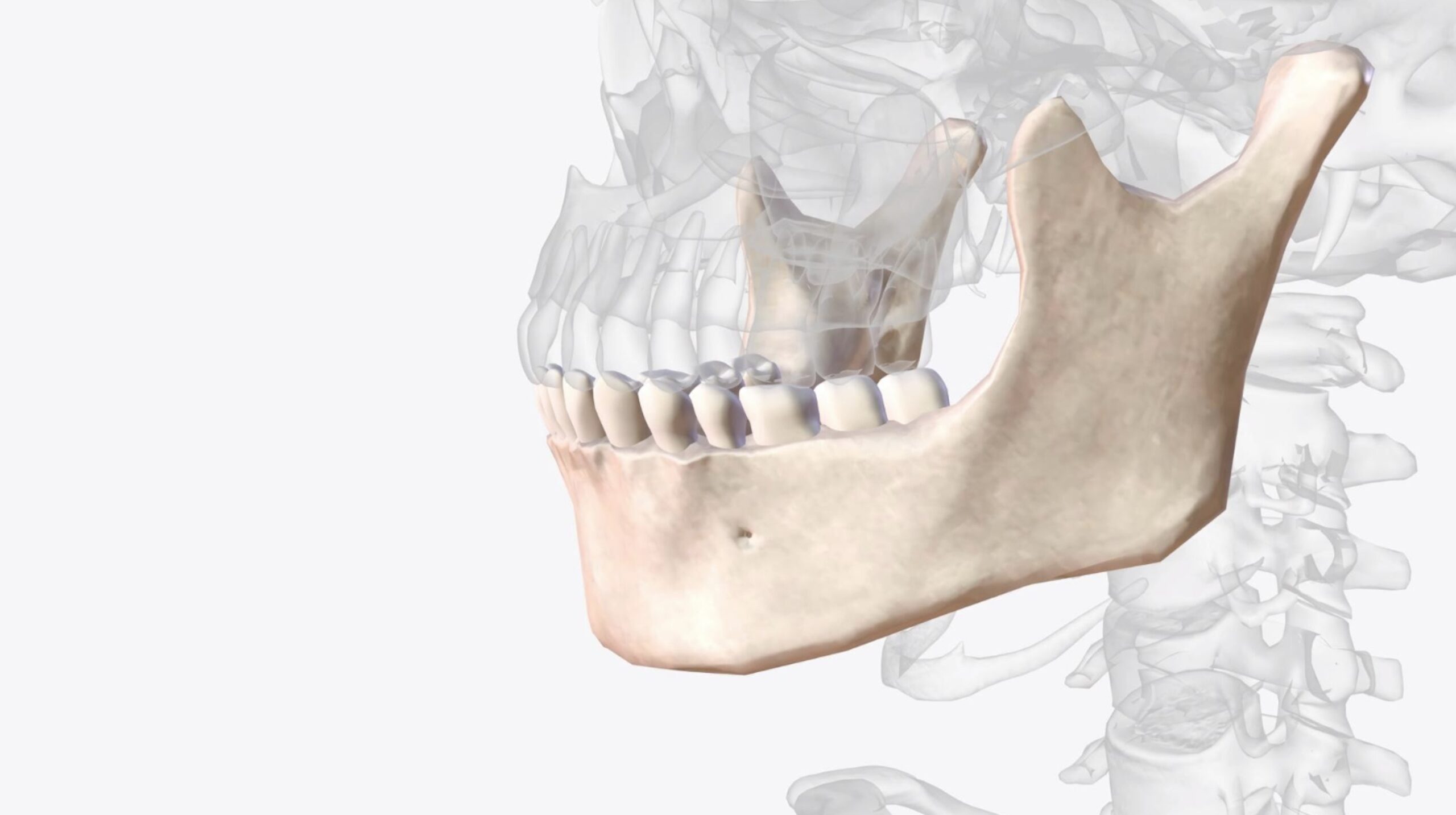
Typical factors that are known to contribute to TMJ problems include structural, muscular or behavioural influences. Here are some examples:
Teeth Grinding and Clenching (Bruxism)
One of the most common contributors to TMJ dysfunction is bruxism. This is when the patient is prone to grinding or clenching of their teeth. This could be happening while sleeping, times of stress or deep concentration or perhaps with any type of physical exertion (e.g. lifting or pushing). Clenching places huge amounts of pressure on the temporomandibular joints and the muscles that control chewing. Prolonged bruxism can cause the muscles to become fatigued and joint and jaw discomfort which, in turn, can cause headaches. In many instances, people are grinding or clenching their teeth without even being aware they are doing so.
Bite Imbalance
How a person's upper and lower teeth meet is known as the bite or occlusion. If their bite does not distribute pressure evenly, it can be responsible for the placement of additional strain on the jaw joints and surrounding muscles.
This type of imbalance can happen for a number of reasons including tooth wear, missing teeth, tooth position movement (over time) or dental restorative work. Without proper balance the jaw can be pushed into positions that are putting additional stress on the joint.
Disc Displacement
There is a small cartilage disc inside the temporomandibular joint and it acts like a cushion between the bones. In some instances, this disc can shift out of its normal position. When this happens, patients may begin to experience clicking or popping sounds, locking of their jaw, tight restricted movement or pain when eating or opening their mouth. Disc displacement is a commonly associated cause of TMJ symptoms.
Trauma or Injury
TMJ dysfunction can sometimes be triggered by an injury to the jaw or face. These type of injuries can be the result of an injury playing sports, a trip or fall, a physical blow to the jaw or a car accident. The structures of the joint are so delicate that even minor traumas can result in disc displacement. Symptoms may be immediately noticeable or can manifest gradually following an injury.
Stress and Muscle Tension
Stress can influence jaw function in several ways. When people feel under stress they may find themselves clenching their teeth, tightening up their facial muscles or have jaw tension that they are completely unaware of. Prolonged muscle activity can be the root cause of pain or fatigue in the joint. Stress is a common contributory factor for many TMJ patients.
Arthritis of the Jaw Joint
Just like other other joints in the human body, the temporomandibular joint can be susceptible to arthritis (both osteoarthritis and inflammatory arthritis). Arthritic changes can impact the smooth movement of the joint and can result in stiffness, pain or even grinding sensations.
Connective Tissue and Joint Laxity
Certain people can have naturally looser joints or ligaments than others, This can have an impact on the stability of the temporomandibular joint. Potentially this can increase the possibility of: disc movement, instability of the joint and clicking or popping sensations. In cases such as these, surrounding muscles may have to work harder in order to stabilise the joint.
Combination of Factors
For a lot of patients, TMJ dysfunction is the result of a combination of factors. A patient can have a combination of bite imbalance, clenching (resulting from stress) and tension in the muscle. These symptoms combined can overload the joint.
Our experience with patients in our TMJ Clinic shows that every case is uniquely different. Because of this, identifying the contributing factors is a key part of proper assessment.
Why Identifying the Cause Matters
Treating TMJ symptoms without understanding the cause may provide only temporary relief for the sufferer. In order to see improvement in the longer term we need to address the underlying causes that are responsible for placing stress on the joint. A structured examination evaluates:
- Jaw movement
- Bite balance
- Muscle tension
- Joint function
Having an understanding of these elements enables us to devise a unique treatment plan tailored to the patient.
What Should You Do Next
If you are currently experiencing TMJ dysfunction symptoms and want to get a better understanding of your condition check out the following pages on our website:
If you are ready to seek help now, you can book an appointment with our highly experienced TMJ dentist who will carry out a complete assessment in order to determine whether the temporomandibular joint is contributing to the symptoms you are experiencing.
Take the First Step Towards Relief
Chronic jaw pain and facial tension can affect your overall quality of sleep, work and wellbeing. You don't have to continue living with it!
Book a comprehensive TMJ consultation with us today and start your journey toward a lasting improvement.
To Request a Consultation Simply Fill In The Form Below